
臺北藝術大學科技藝術館 Center for Art and Technology, TNUA

1980年代下半我倆都在李祖原事務所工作時,北藝大正在施工中。三十年後,設計科藝館,提供了我們回望年輕時建築歷程的契機。
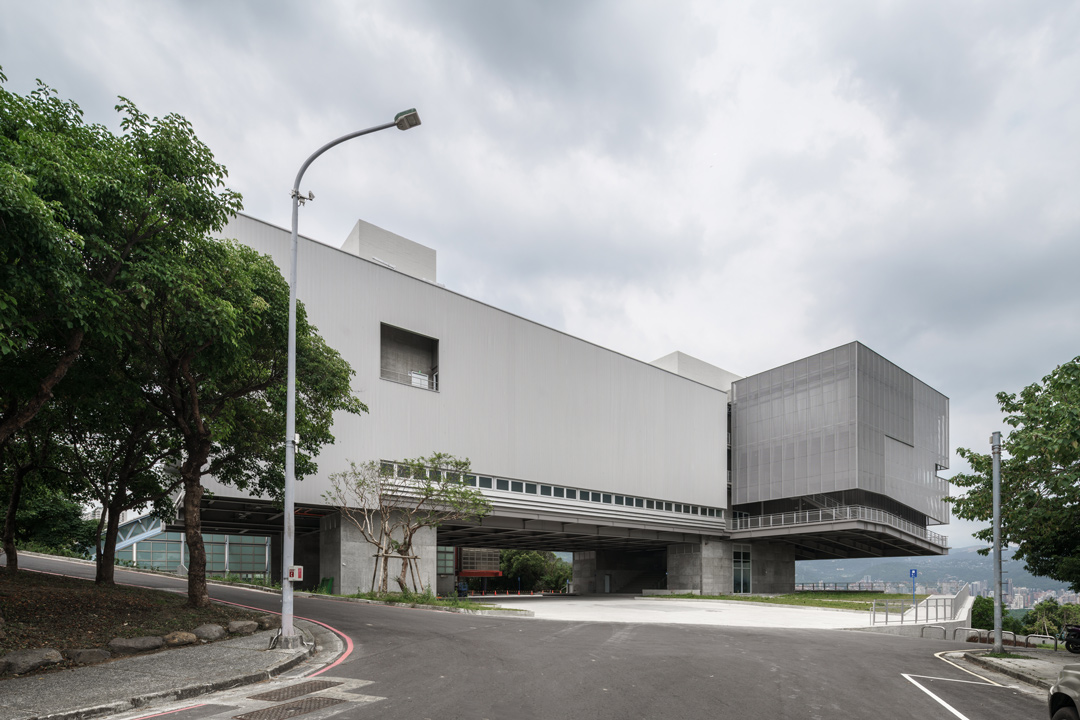
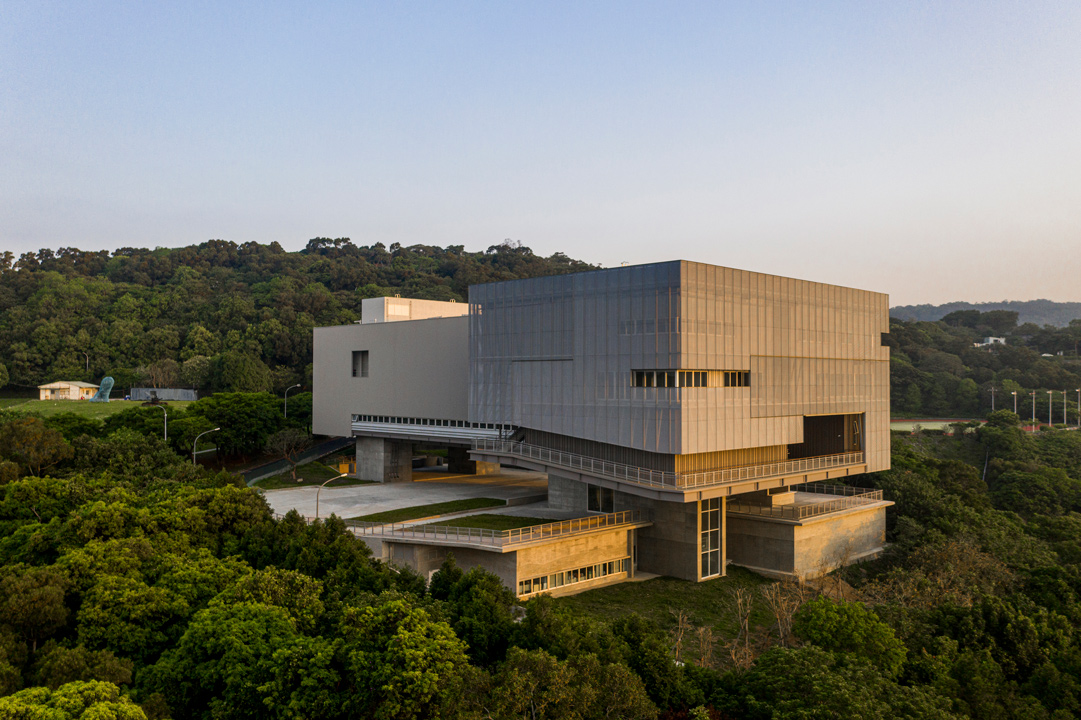
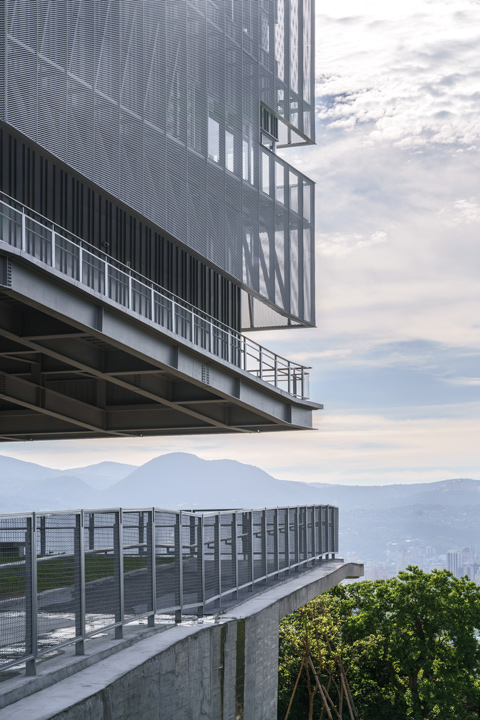
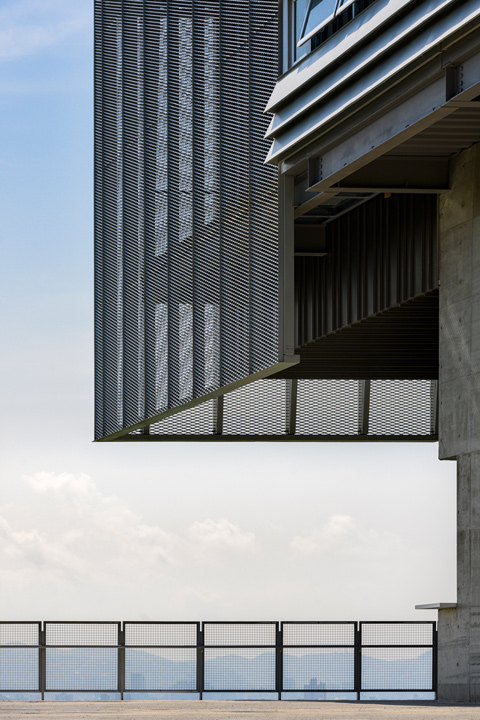
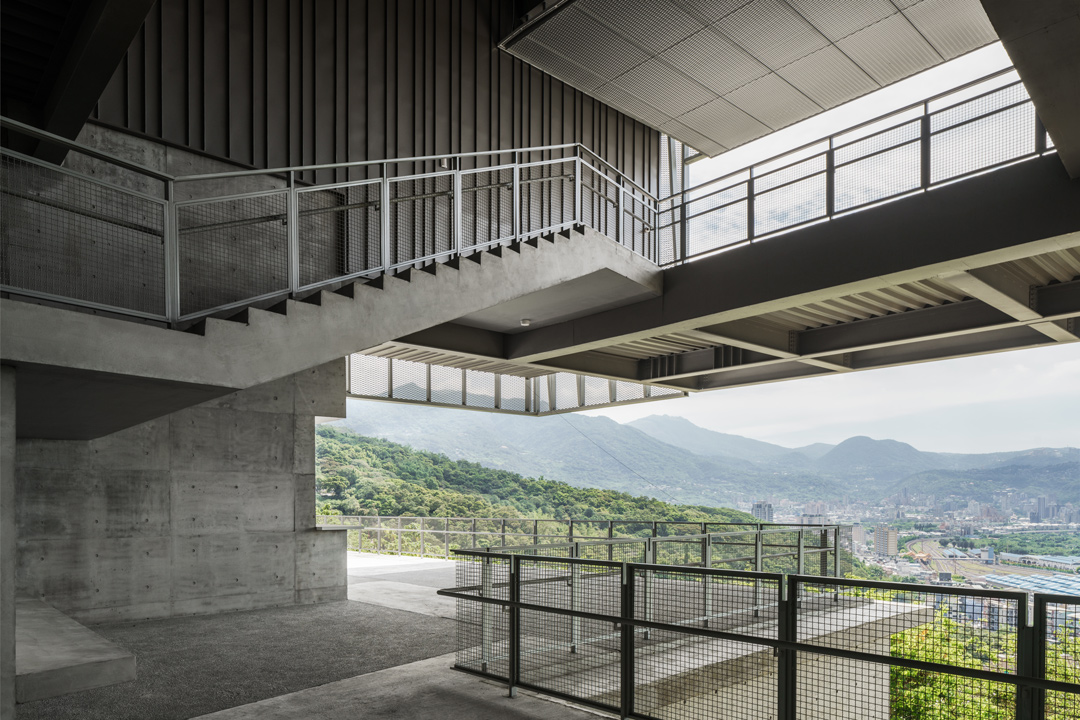
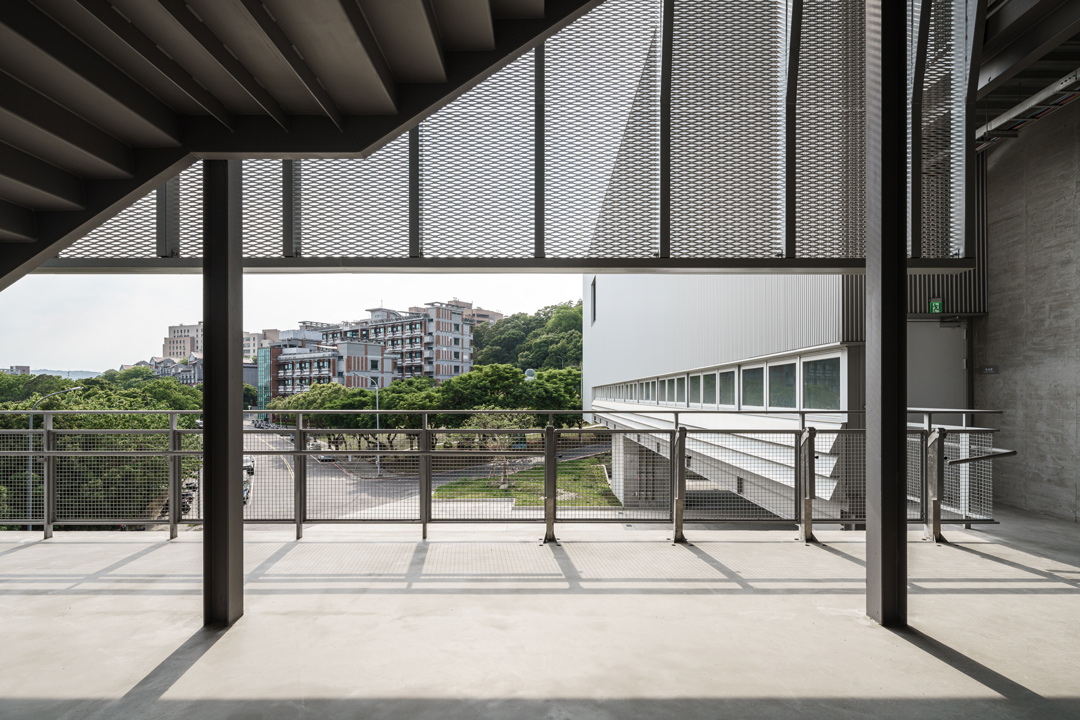
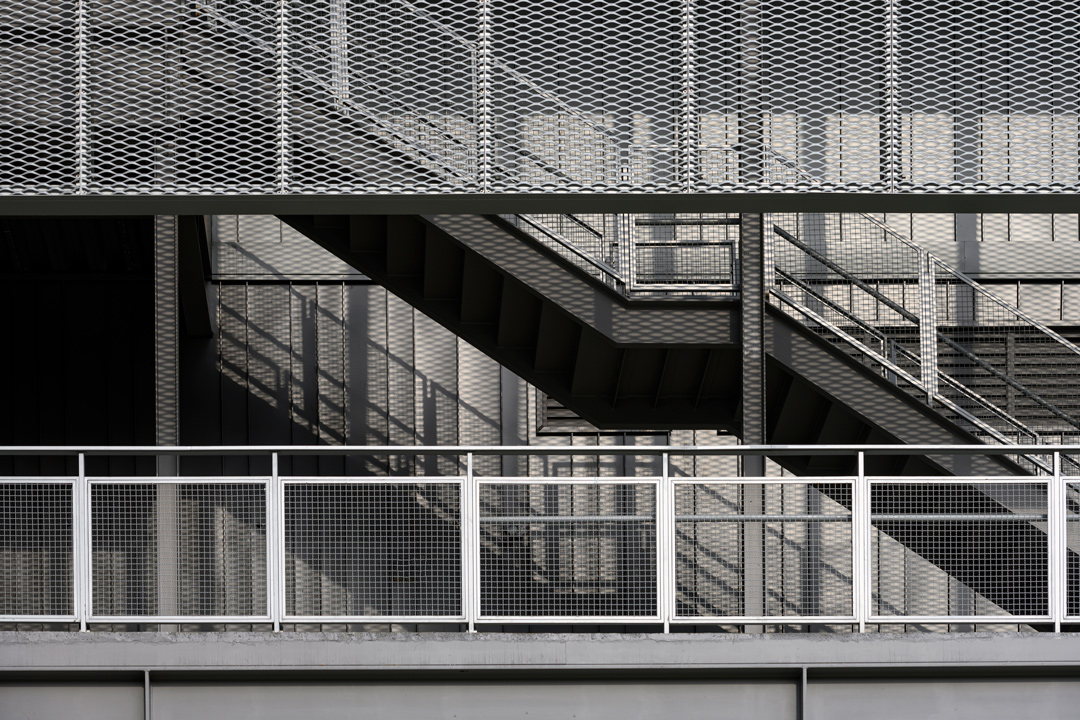
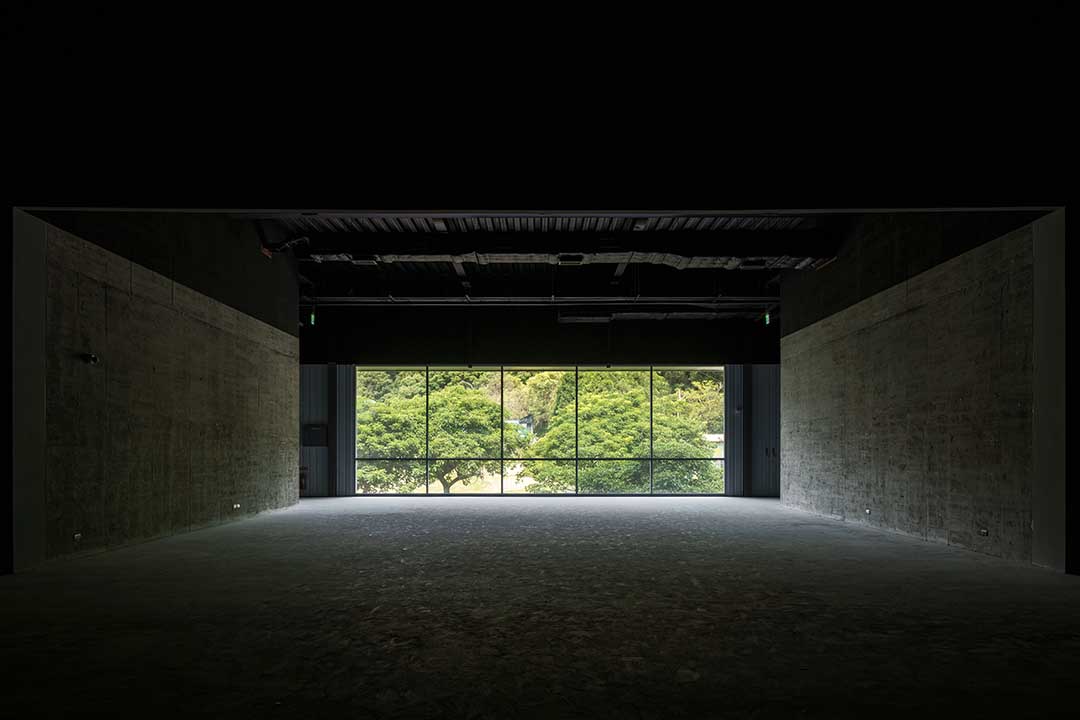
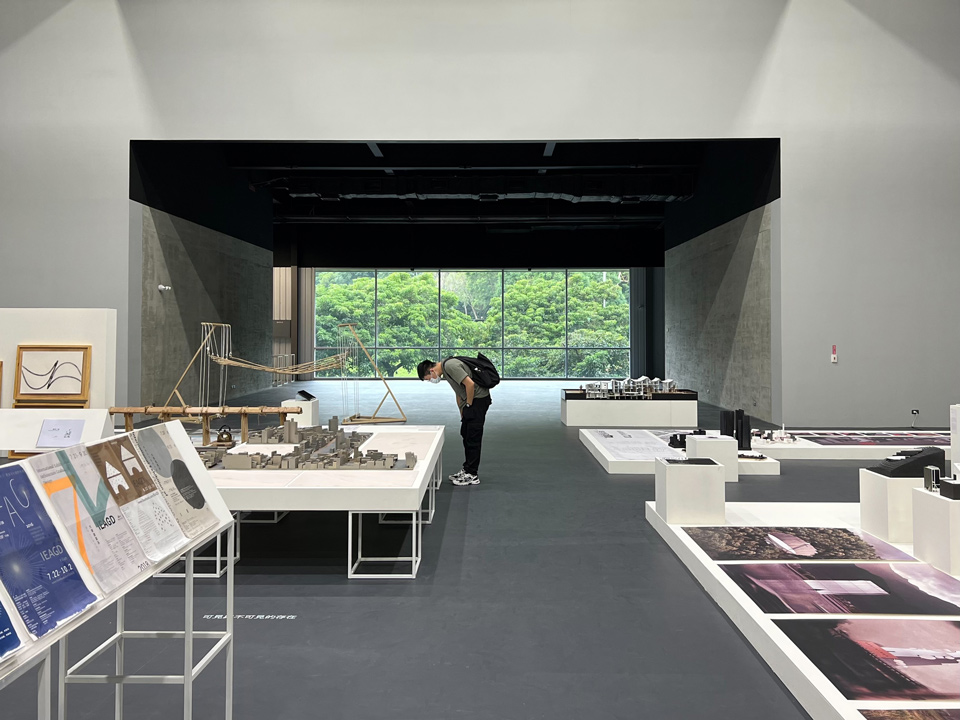
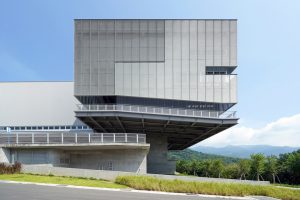
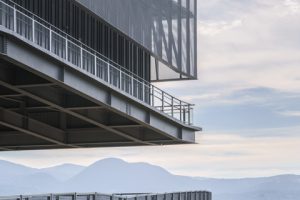
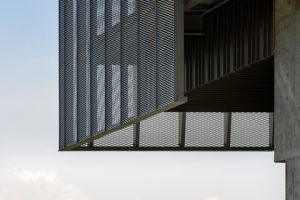
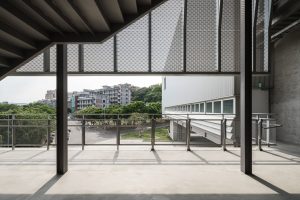
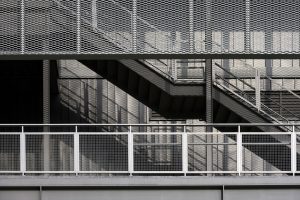
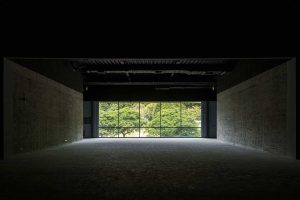
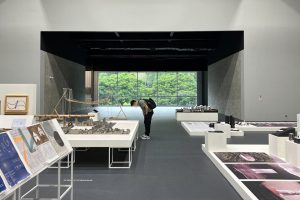
設計的理念來自兩條並行的思考脈絡:一是如何去對應校園中原有的建築傳統與形式,二是如何重新鏈結校園的空間,並創造新的藝術實驗場域。原有校園的建築樣式多為斜屋頂,對稱、且有著穩重基座固著於坡地上,空間形式則多為中庭或合院。然而科技藝術館做為北藝大新媒體藝術的實驗基地,「當代性」甚至於「未來式」該是其建築精神。因此在設計的策略上則一反原有校園的建築傳統,採用了「抬升」於空中的「黑盒子」和「灰盒子」做為建築的主體。「黑盒子」、「灰盒子」的空間定義是機能性的,也是構築性的。「黑盒子」的皮層空間有著滿足服務機能的坡道連接,同時也是自然通風的風道;「灰盒子」是機能未被明確定義的空間,其包覆的皮層是由外牆與透光的擴張網所組成,有著漫射的光。
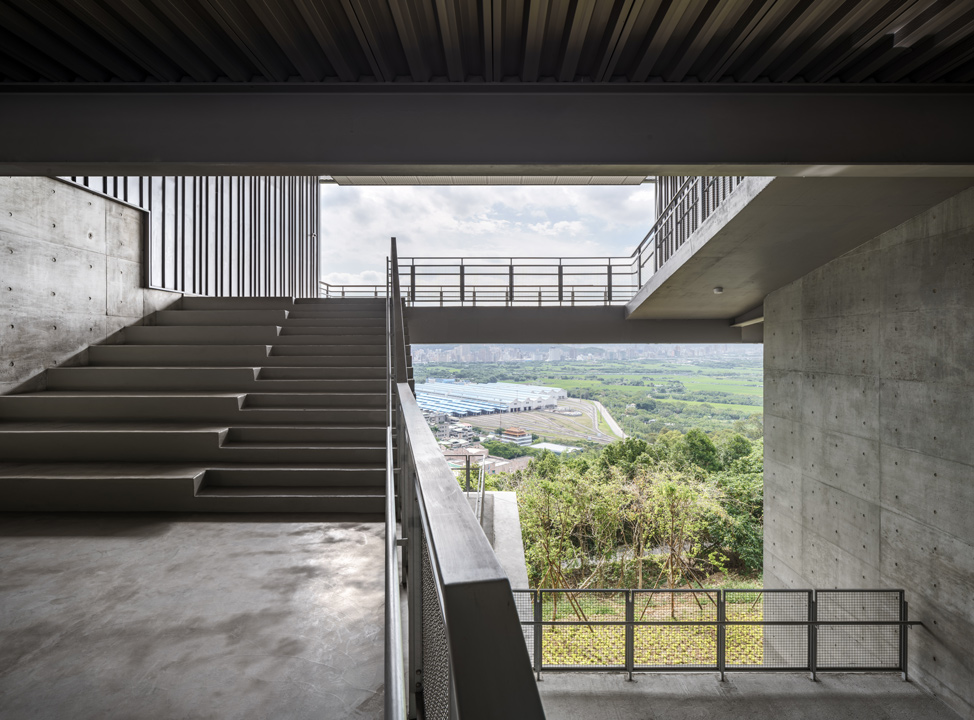
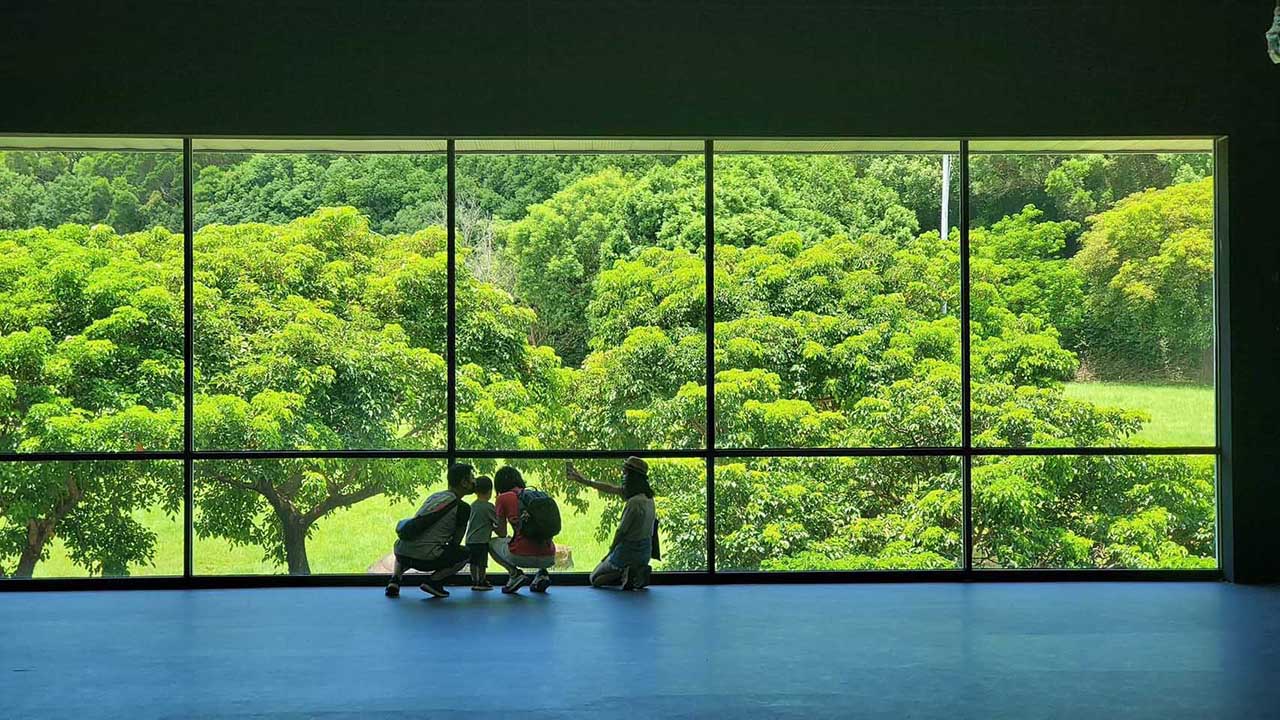
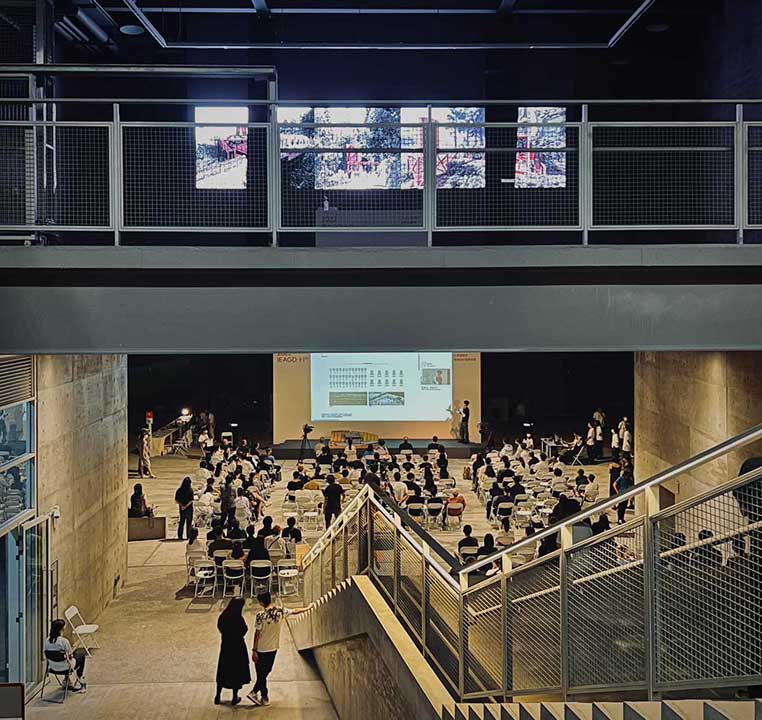
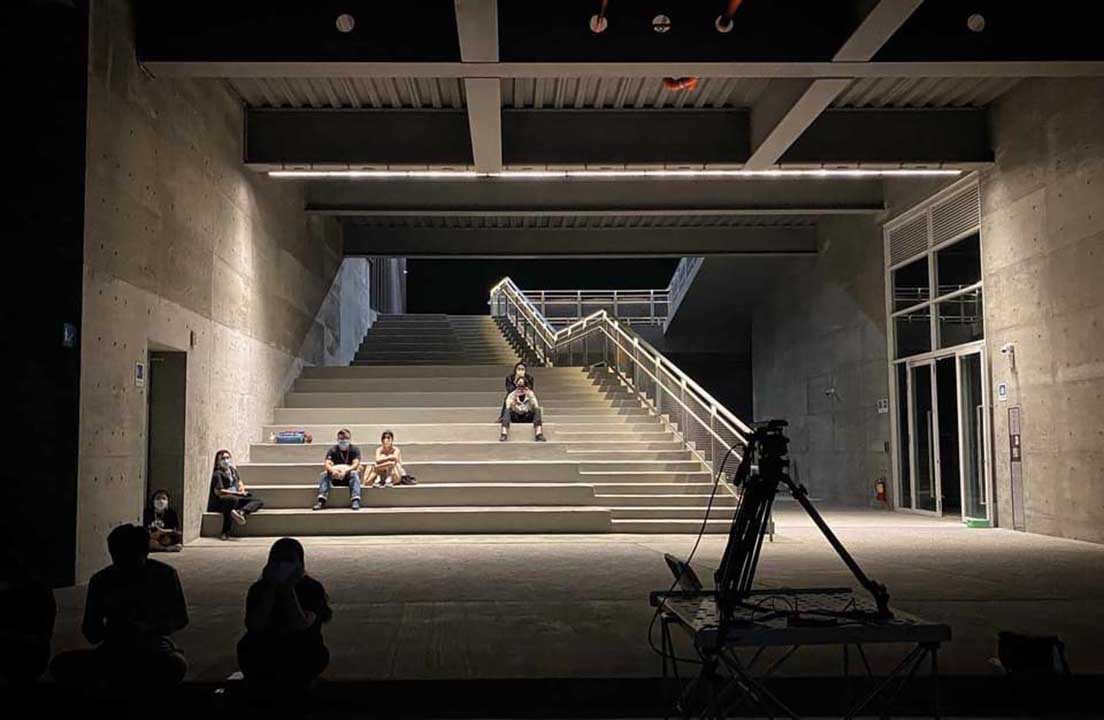
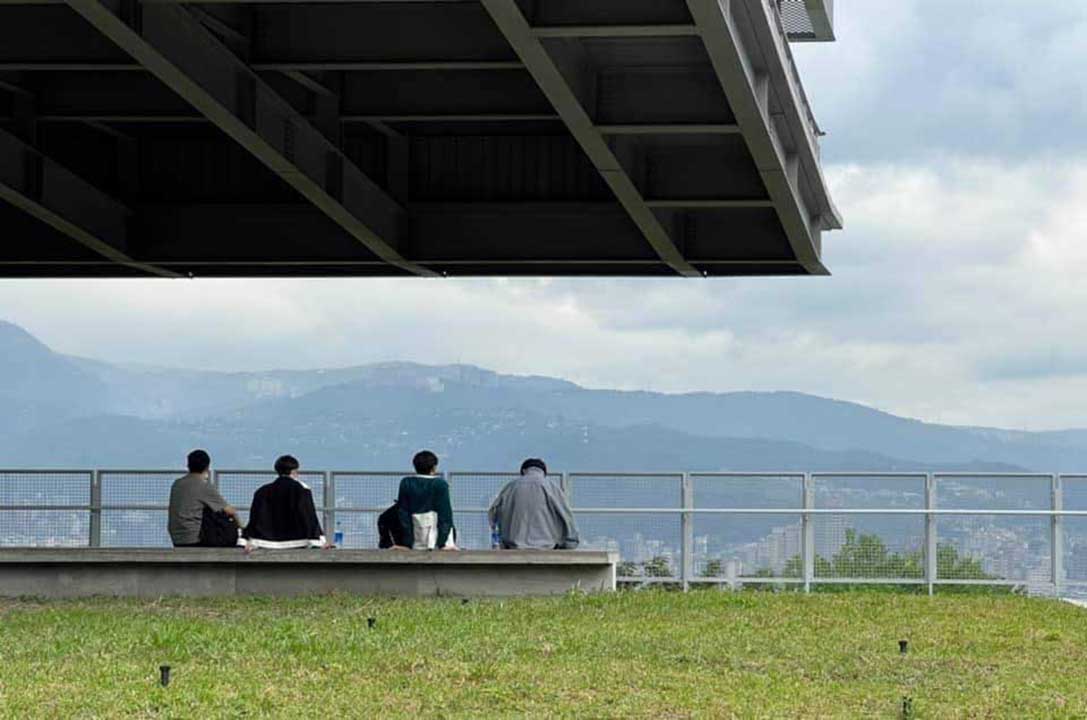
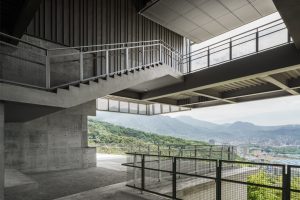
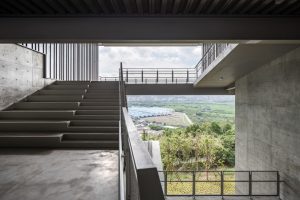
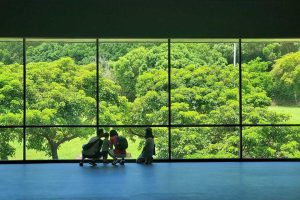
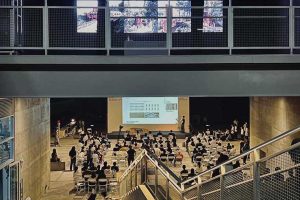
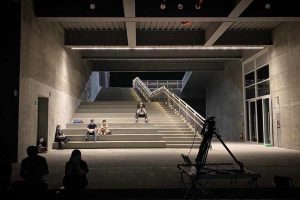
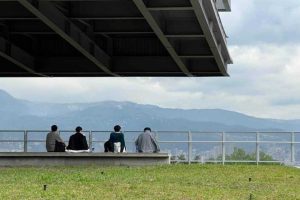
建築基地位於校園主要道路的端點,原為體泳館入口前廣場,並供校車及客車迴轉及停放。在這些不連續且沒有定義的場所中,卻有著最美的景觀——水平無盡延伸的關渡平原。因此,我們將碩大的黑盒子用四個巨型結構抬昇懸吊,在下方創造一個多功能的「大雨遮」。除了滿足原本體泳館及科藝館入口、校客車迴車、暫時停放之外,同時又可以是藝術展演、學生活動、甚至是公眾參與的場所。從這個場域連接向上,有著一條漫遊的路徑,時而貼近、時而滲透於黑盒子的週邊,綿延遼闊的關渡平原就在眼前。
***
Taipei National University of the Arts (TNUA) was still under construction when we were both working at C. Y. Lee & Partners in the late 1980s. Thirty years later, being able to design the Center for Art and Technology at TNUA has given us a chance to look back on our own early journey in architecture.
Our design concept grew out of two parallel lines of thought: one was how to respond to the architectural traditions and forms of the existing campus buildings; the other was how to reconnect the campus spaces and create a new venue for artistic experimentation. The existing campus buildings mostly feature sloped roofs, are symmetrical, and have solid bases anchoring them to the slope. Their spatial layouts are mostly organized around atriums or courtyard arrangements. However, as the experimental base for new media art at TNUA, the Center for Art and Technology should embody a sense of the “contemporary,” even the “futuristic,” in its architectural spirit. Therefore, departing from the traditions of the campus buildings, we introduced the “black box” and “grey box,” lifted above the ground, as the primary building volumes. The spatial definitions of both boxes are functional and structural. The skin of the “black box” incorporates ramps that serve both functional circulation and natural ventilation. The “grey box,” on the other hand, is an undefined space whose cladding consists of solid walls and a translucent expanded mesh, allowing soft, diffused light to permeate.
The site is located at the end of the campus’s main avenue and was originally the square in front of the Sports and Swimming Complex, accommodating bus turnarounds and temporary parking. Amid these fragmented and undefined spaces lies the most breathtaking view—the seemingly endless expanse of the Guandu Plain. To take advantage of this, we lifted the massive black box on four colossal structural supports, creating a multifunctional canopy beneath it. Beyond serving the original functions—entry to the Sports and Swimming Complex and the Center for Art and Technology, bus circulation, and temporary parking—the space now hosts art exhibitions and performances, student activities, and even public engagement. From this area, a wandering path ascends, at times hugging and at times weaving through the edges of the black box, ultimately opening onto the expansive Guandu Plain stretched out before the eye.