
富邦藝旅 Folio Hotel Daan Taipei

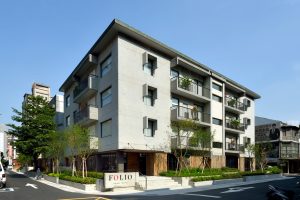
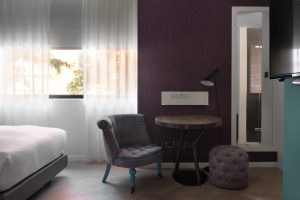

在設計過程中,童年記憶不斷反覆回來,鬼魅般一而再、再而三地跑到腦海中。有些是難得被父母「教示」的深刻情節,更多則是和空間氣味材質有關。我們身在哪裡呢?
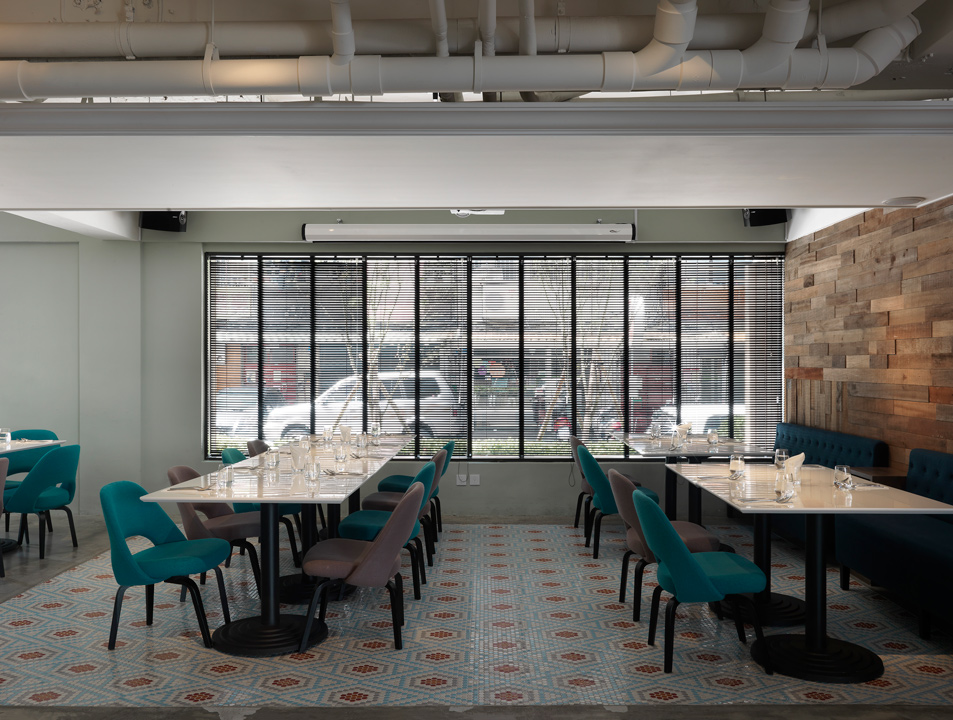
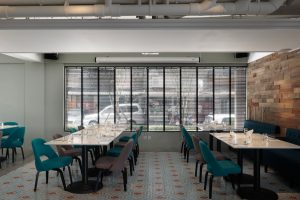
客廳櫸木拼花地板。柚木框邊立體十字雕刻的玻璃隔屏。樓梯間踏階的磨石子刷至半腰的淺藍色水泥漆。繃著紅色塑膠皮的欄杆扶手。藍綠色混雜咖啡色的大大小小圓形或橢圓形馬賽克拼貼而成的浴缸。廚房地面暗紅色六角形磁磚、四邊鑲嵌著白色方形馬賽克。住家斜對面種有細瘦椰子樹的花園洋房。正前方是賣著日用雜貨的柑仔店,下課後我會和雜貨店裡高年級的男生在六米巷弄裡打躲避球,黃昏的陽光沒有遮蔽直直射在臉上——這記憶是真實的嗎?臺北的巷弄曾是我的體育場嗎?一樓鄰居的紅色壓白條木門半掩,貝多芬的《給愛麗絲》鋼琴曲一直重複彈奏,如同空間充滿了弦樂器的水聲。每星期六下午電視臺《玉堂春》如儀式般播唱好大聲。夜半仍有盲人吹笛聲穿過巷口,以及走遠了的:「燒——肉——粽——」……記憶的廢墟有了明照的光。過去的光探照著未來,還有每一彈指即逝的現在。
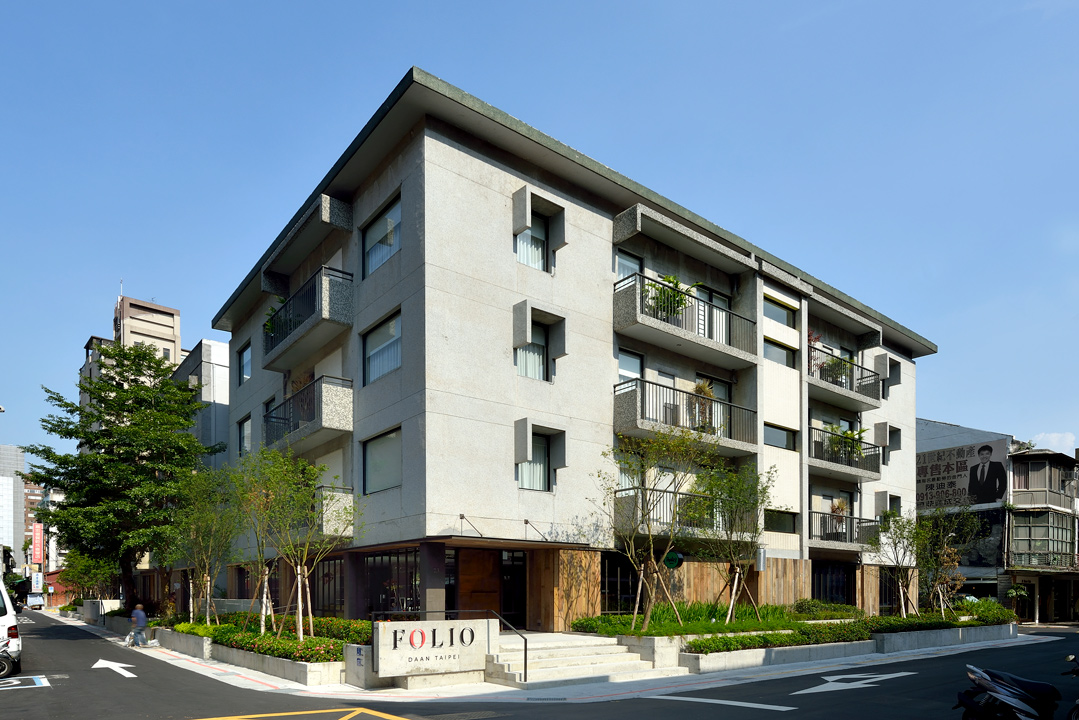
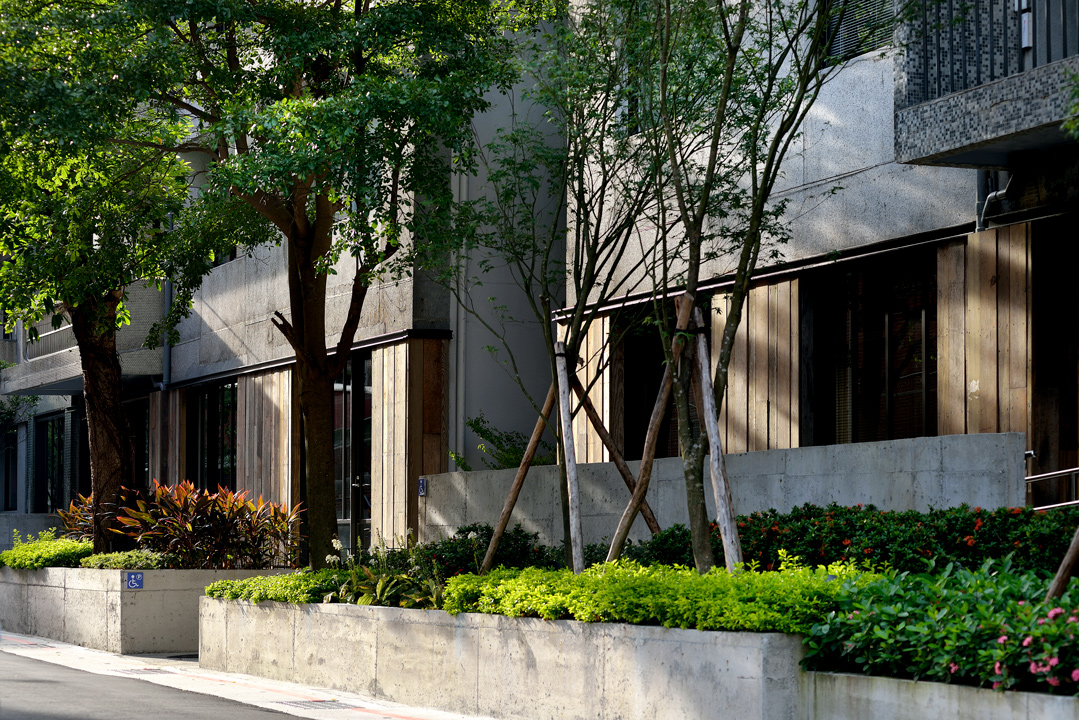
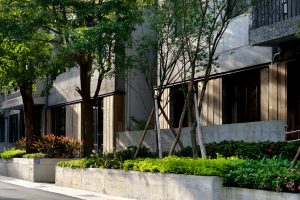
我在記憶的夢境當中撿拾靈光碎片,將之拼貼重整,希望保存那些珍貴但難以掌握的多重生活風格。有一些光,映照著記憶中的椰子樹一直長高並且篩出了「富邦藝旅」洗石子牆上的影子。
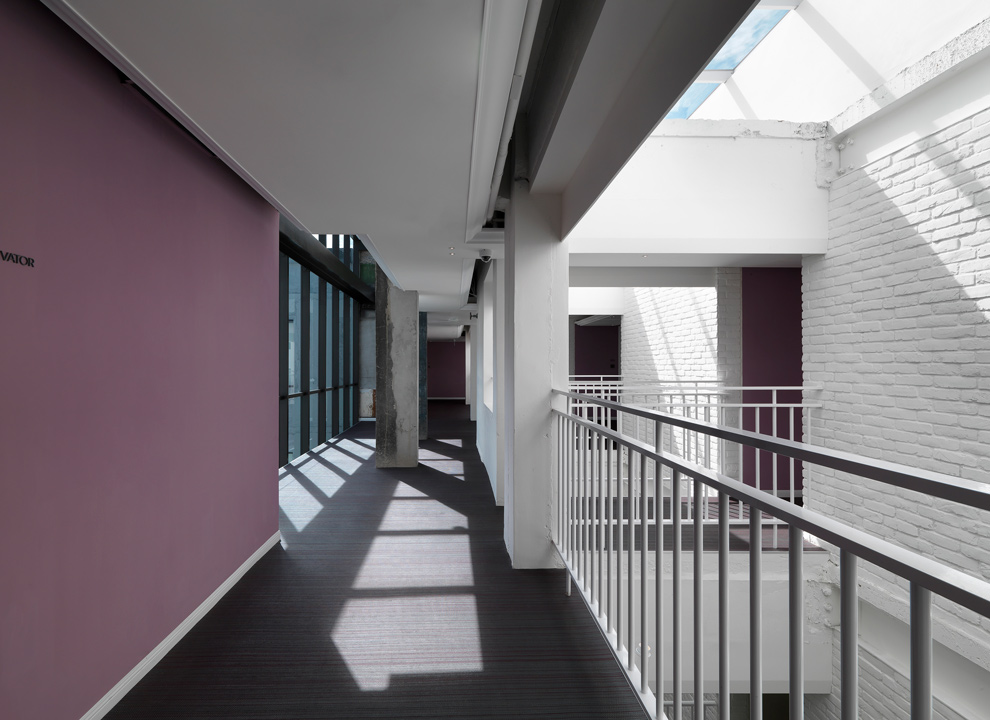
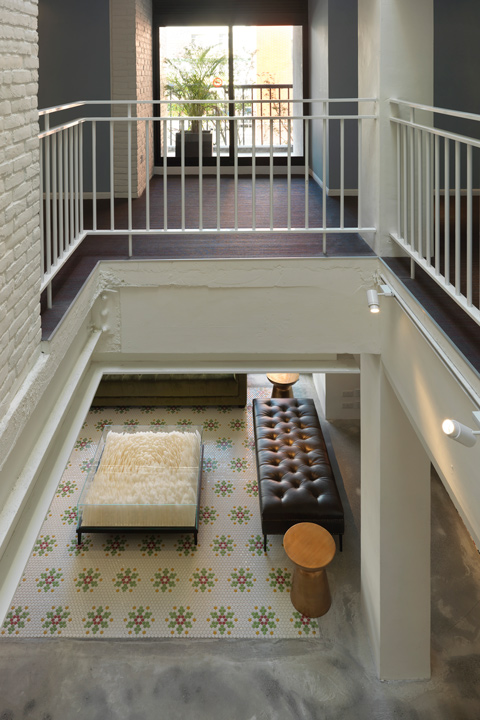
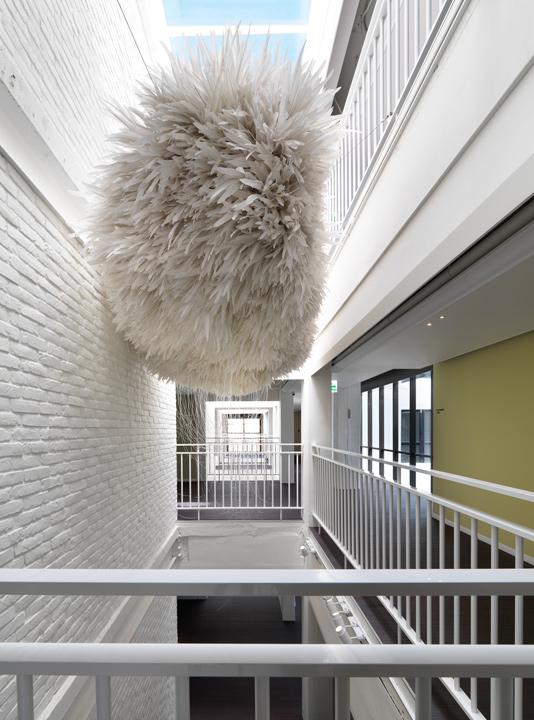
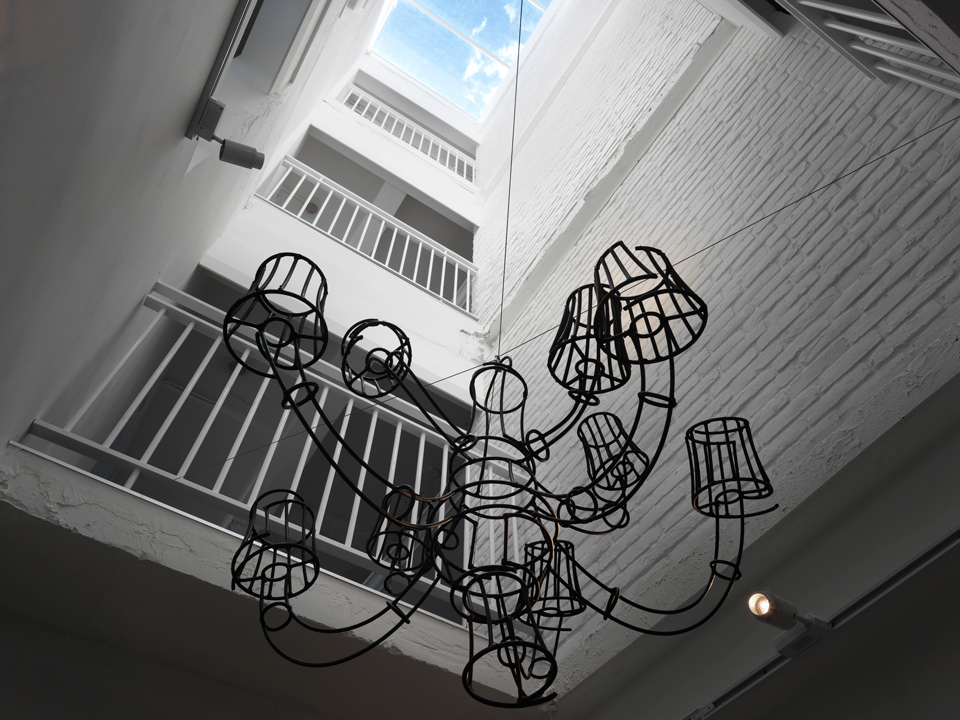
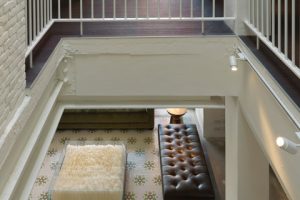
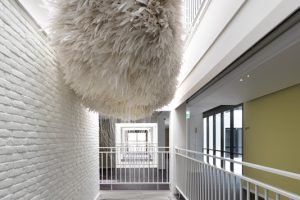
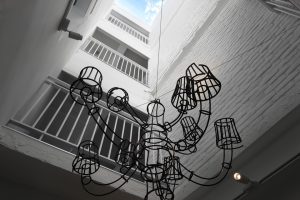
我們保留原有住宅建築結構,在兩棟步登公寓縫隙中加上鋼架支撐置入電梯,以符合新的飯店使用機能。一個平行於建築物正面巷弄挖開的挑空,成為大大小小串成一線的天井。站在這裡,我們可以仰望溫煦天光並和住客相遇!視線一路水平延伸向戶外和原來的臺北市紋理連接,向北到達信義路、往南則是對街公寓側牆貼著售房廣告看板——這也是我們不容避諱的現實。
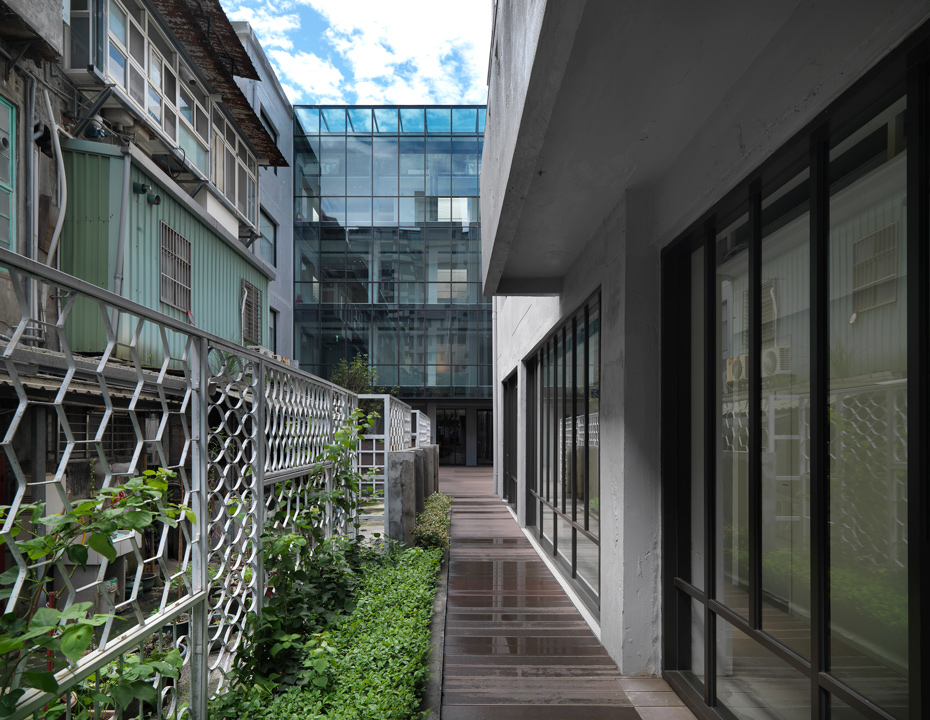
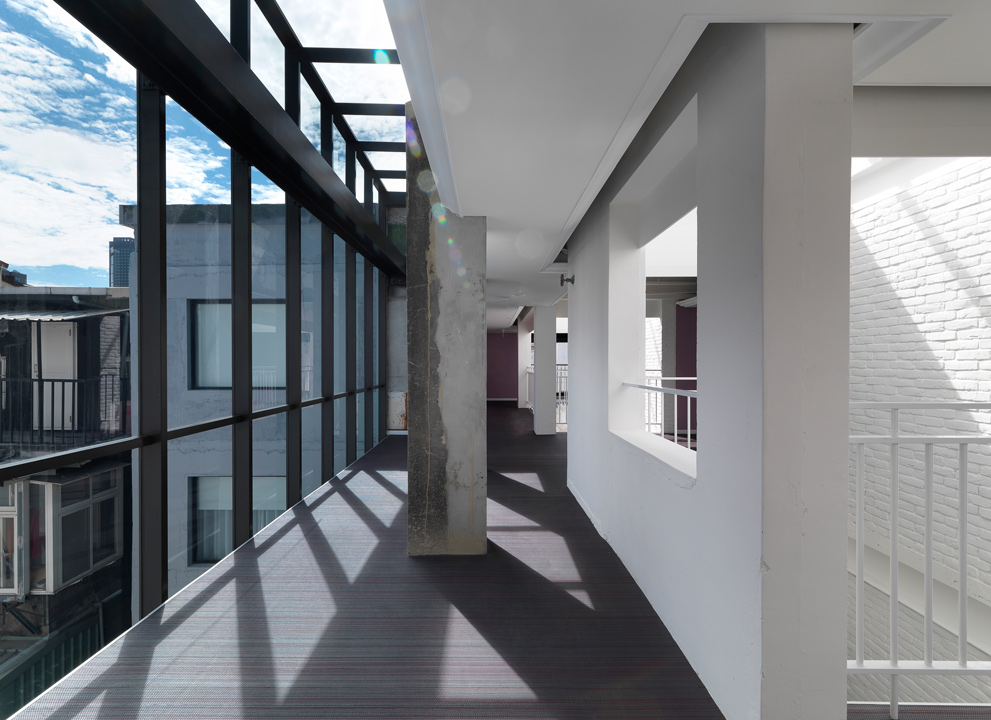
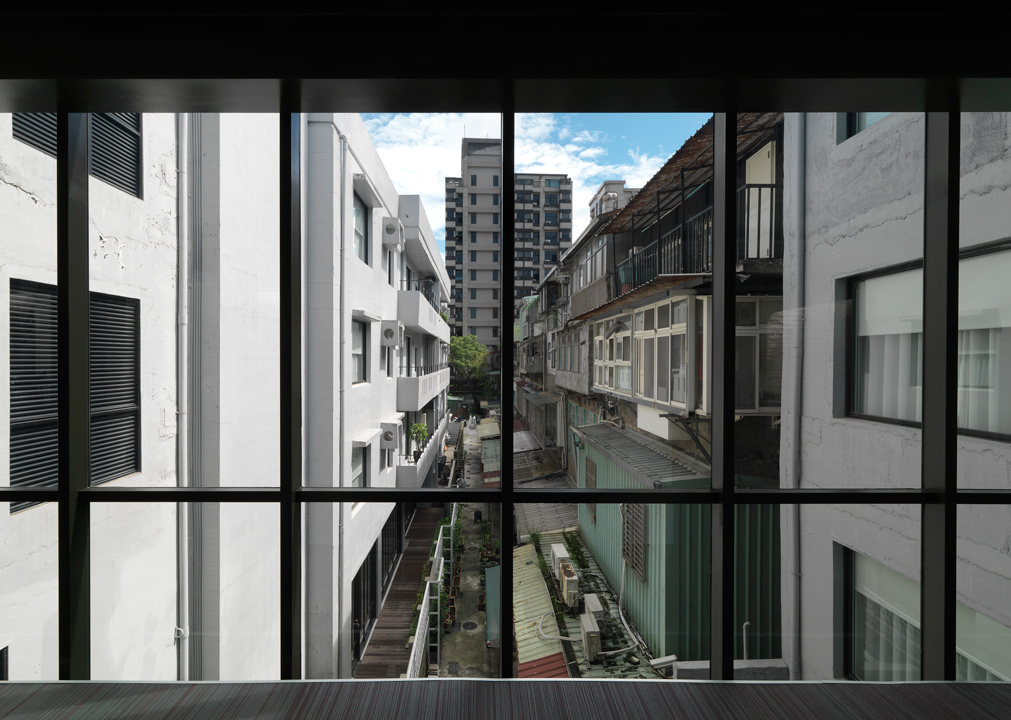
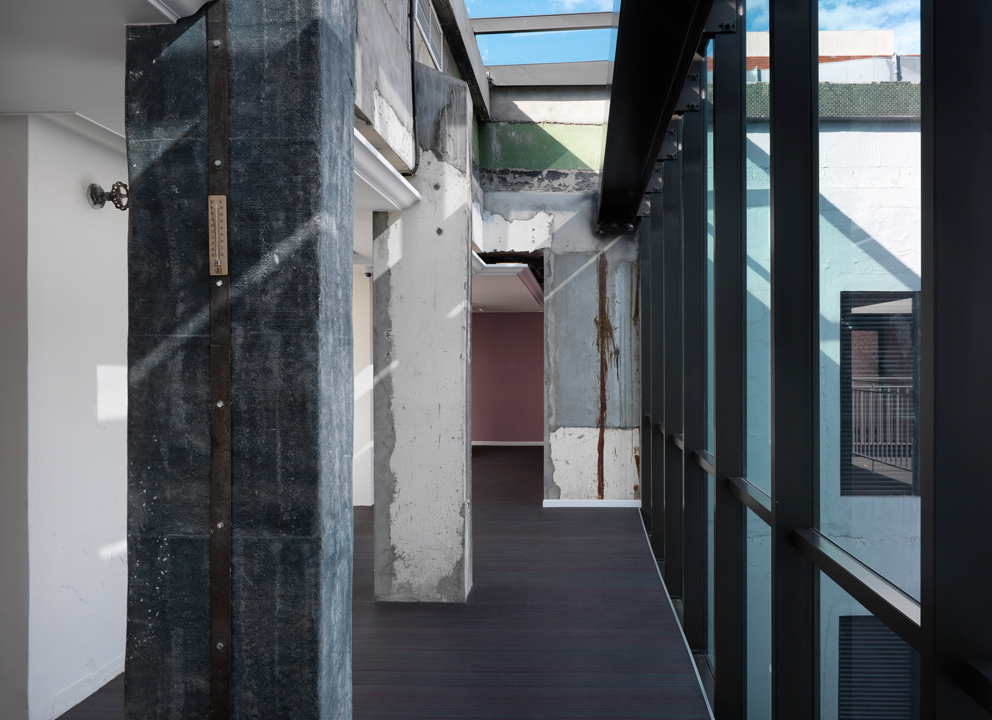
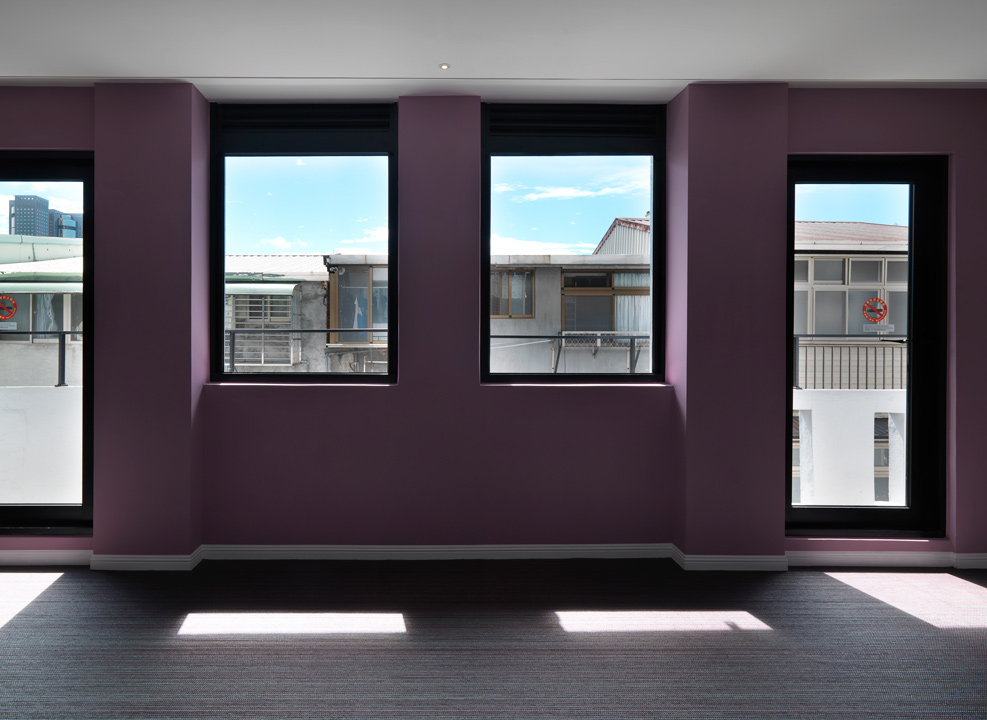
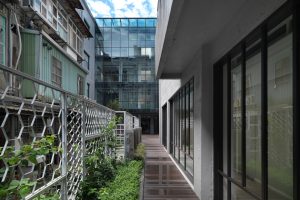
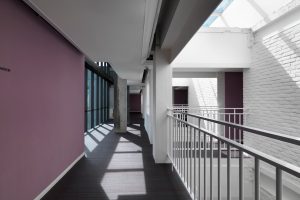
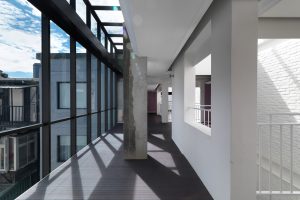
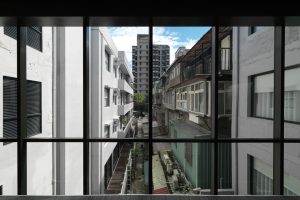
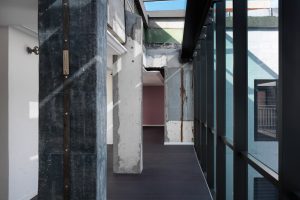
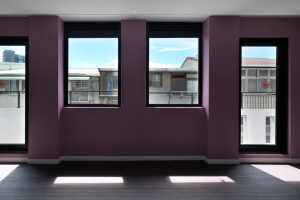
除了兩座電梯(一座供住宿旅人使用、一座供飯店員工使用)外,在原本宿舍洗衣陽臺之外增建了一段法規需求最小寬度的走廊,走廊的一側是一大面落地格子窗,透過落地窗看到臺北後巷,就是最真實的常民生活紋理——真實的造景成為一幅素描——老公寓背面陽臺突出鐵窗或浪板加蓋、不同時期買回家的各式的花盆植栽、隨意搭接給排水的洗衣臺、漫無次序擴張的凸出物、還有偶爾揚起的二胡聲。其間反應著一種集體的順天命的生活態度。這些隱匿的細節,都是我們想要讓居住在這裡的旅客能夠放大感官去體會或紀念的「小物件」。這是受阮慶岳老師「朗讀違章」之後方才有的自覺(或自信)吧。
平臺、庭院、迴廊、樓梯間、天井及過橋,同時為舞臺及包廂,在富邦藝旅之中,觀看也被觀看著。目擊並且感覺於日常周圍的環境,在克制的設計細節中,闡述臺北人生活的況味(或氣味),希冀能被閱讀出日常的閒適和詩意,成為你我生活記憶的一個綠洲……
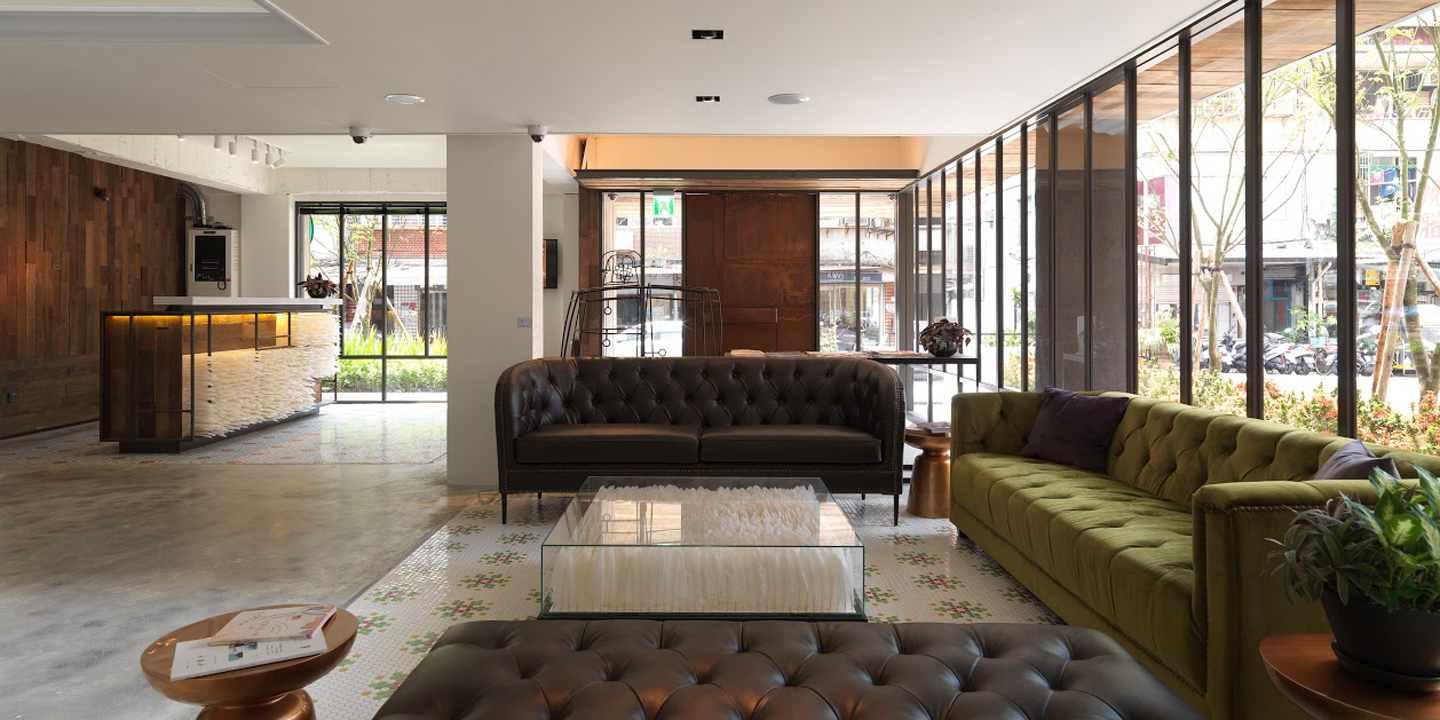
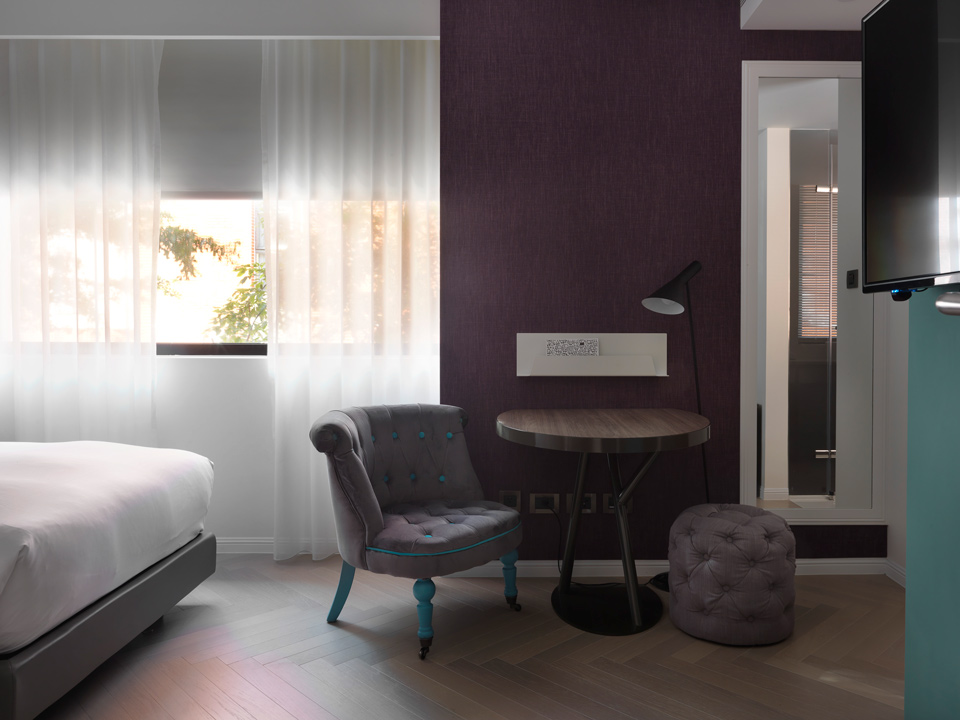
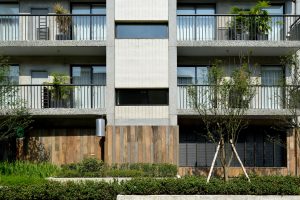
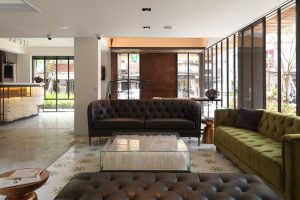
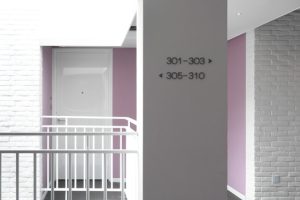
原本的各式鐵窗,有美麗的圖案,漆成白色作為圍牆利用。鐵皮屋的綠色、咖啡色、赭紅色、植物的粉紅色、芥末色、記憶裡暖陽的顏色,讓室內空間再度和室外環境連成一片。完工半年後的今天,可以看到清水模花臺暈上青苔,和大廳綠絲絨沙發染成一氣, 那是時間在說話。時間好像從在1960某月某日疊合到今天,一個原點。這種真實是透過新整理的這面建築、兩樣的對照、彼此互為依存而成為對記憶的禮讚。
看見臺北現代化前期的都會性與鄉鎮性——這是富邦藝旅的並時性。以記憶、理解和對話來進行富邦藝旅的重新組構,抵抗了建築的衰老、毀壞,是一種覺察貫時性的情境吧,即新即舊、即舊即新。
作為階段性任務的旅店,在建築物生命最終期,我們重新看待它,使之延續臺北市民的集體記憶並進而促發城市生活鄰里間的共感及對話;然而總有一天,終將拆除興建大樓。就如同褚威格所說的,歷史才是真正的詩人和戲劇家,任何一個作家都別想超越它!
***
During the design process, memories of childhood kept returning, hauntingly replaying again and again in my mind. Some were rare, poignant lessons imparted by our parents; more often, they were tied to the scents, textures, and atmospheres of spaces. And we wondered, where exactly are we standing?
The living room had a parquet floor of beechwood. Glass screens with three-dimensional cross carvings were framed in teak. The terrazzo steps of the stairwell were brushed with pale blue cement halfway up. Handrails were wrapped in red vinyl. The bathtub was a mosaic of blue, green, and brown, in circular and oval shapes of various sizes. The kitchen floor was laid with dark red hexagonal tiles, bordered by white square mosaics. Across the street stood a garden house planted with slender coconut trees. Directly ahead was a small neighborhood store selling daily necessities—after school, I would play dodgeball in the six-meter-wide alley with the older boys from the store. The evening sun, unshielded, fell straight on our faces—was this memory real? Had the alleys of Taipei once been my playground? The red-and-white striped wooden door of a first-floor neighbor was half-open, and Beethoven’s Für Elise repeated endlessly on the piano, as if the room resonated with the piano’s rippling strings, like waves of water. Every Saturday afternoon, the TV broadcasted Yu Tang Chun loudly, like a ritual. In the dead of night, the sound of a blind man playing the flute would drift through the alley, followed by the distant cry: “Hot—rice—dumplings—”(in Taiwanese)… The ruins of memory were illuminated by a clear light. Past light probes the future, along with every fleeting present at the snap of a finger.
I gather and reassemble these fragments of light from the dreamscape of my memory, hoping to preserve those precious, elusive traces of life. Some of these lights fall upon the coconut tree in my recollection, which grows taller and taller, eventually casting its shadow across the pebbledashing wall of the Folio Hotel Daan Taipei.
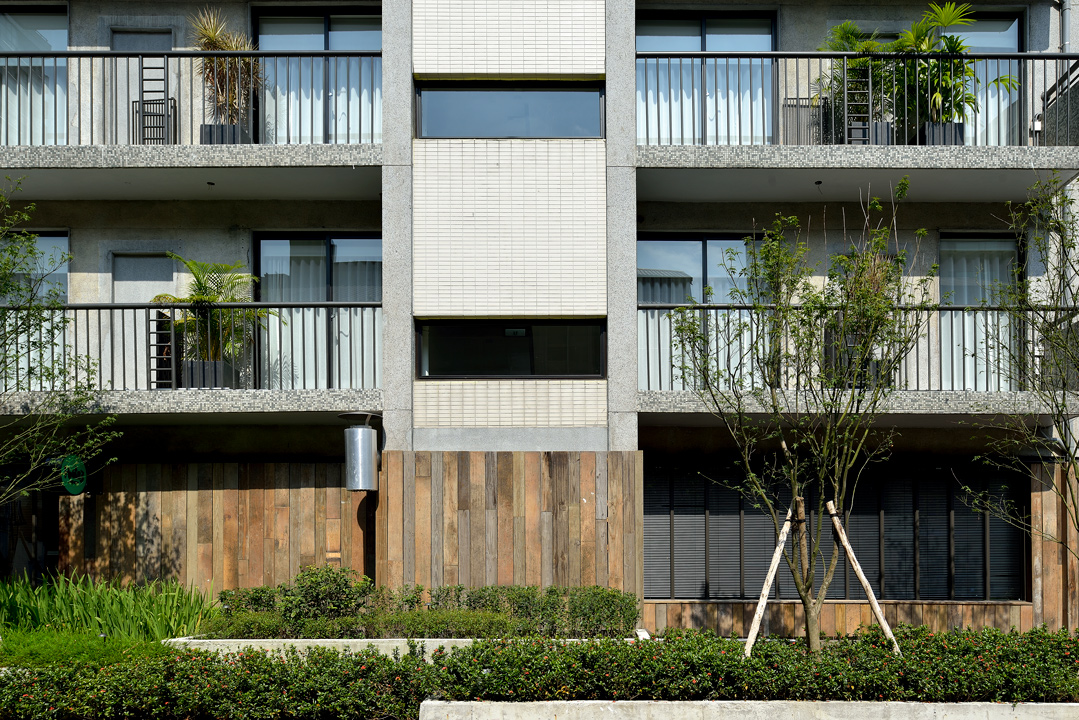
We preserved the original residential structures, and inserted an elevator supported by a steel frame within the gap between the two stair-access apartments, in order to meet the functional requirements of the new hotel. A void was carved parallel to the alley in front of the building, forming a sequence of interconnected courtyards of varying sizes. Standing here, one can look up to the warm daylight and encounter hotel guests! The line of sight extends horizontally outward, connecting with the original fabric of Taipei: to the north, reaching Xinyi Road; to the south, the neighboring apartment walls are plastered with real estate advertisements—an unavoidable reality we cannot ignore.
Apart from installing two elevators—one for visitors, one for staff—we also built a corridor beside the original dormitory laundry balcony, meeting the minimum width required by regulations. On one side of this corridor stretches a large floor-to-ceiling lattice window, through which the alleys behind Taipei unfold with the most authentic texture of everyday life. It is as if the real-life scenery has become a living sketch: back balconies of old apartments jutting out with iron grilles or corrugated roofs, assorted potted plants accumulated over different eras, makeshift wash basins haphazardly connected to plumbing, irregular protrusions extending without order, and the occasional strains of an erhu floating through the air. All of these details reflect a collective, fate-accepting way of life. These hidden particulars are the “small takeaways” we hope our guests can notice, experience, or remember—a sensibility perhaps awakened (or emboldened) only after encountering Professor Roan Ching-Yueh’s exhibition Illegal Architecture.
Platform, courtyard, corridors, stairwells, atrium, and skybridge are all at once stage and private box, where in Folio Hotel Daan, one watches and is watched. Witnessing and sensing the everyday surroundings, the restrained design details unfold the nuances of life in Taipei, hoping to reveal the quiet poetry of daily living, becoming a small oasis within our shared memories…
The original iron grilles, adorned with beautiful patterns, were painted white to be repurposed as fences. The green, brown, and ochre of the corrugated roofs, the pinks and mustard tones of plants, and the warm sunlight from memory all reconnect the interior with the exterior environment. Six months after completion, the exposed concrete flowerbeds have begun to bloom with moss, which blend with the deep green velvet of the lobby sofas. It is a quiet conversation with time. Time seems to fold from a day in 1960 into today, forming a singular origin. This authenticity emerges through the newly organized architecture, the juxtaposition of two contrasting elements, mutually dependent, thereby ultimately forming a tribute to memory.
Here, we can witness both the urbanity and the village-like qualities of Taipei in its early modern era—this is the simultaneity of Folio Hotel Daan. By reconstructing it through memory, understanding, and dialogue, the hotel resists architectural decay and destruction, offering a heightened awareness of time: a place where the new is the old, and the old is new.
As a temporary stage in the building’s life, the hotel allows us to reconsider it, extending the collective memory of Taipei citizens and fostering empathy and dialogue among neighborhoods. Yet inevitably, one day, it will be demolished for a new building. As Stefan Zweig once said, history is the true poet and dramatist—no writer can ever surpass it!