
貴象 The Great Shine

在充滿了老臺北的氣味、有著親切尺度和鄰里之間熟悉感的地方,新的建築該如何才能融入呢?

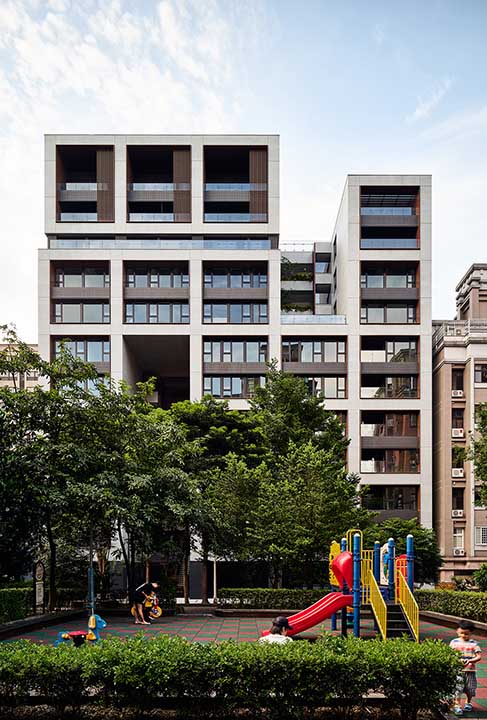
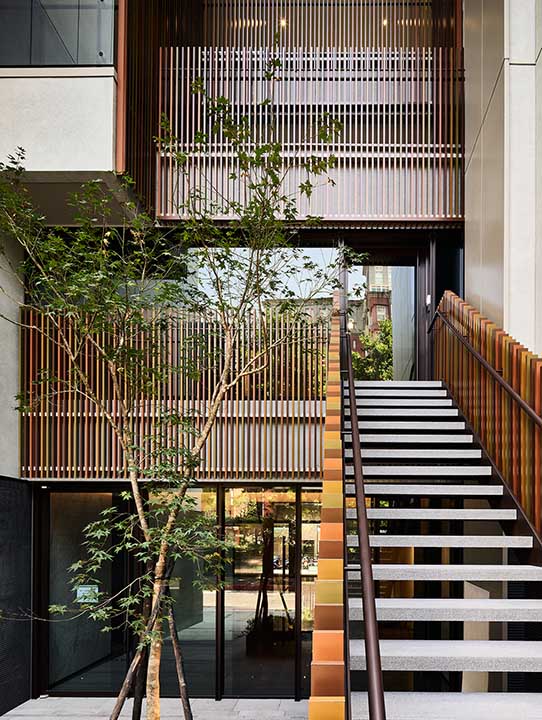
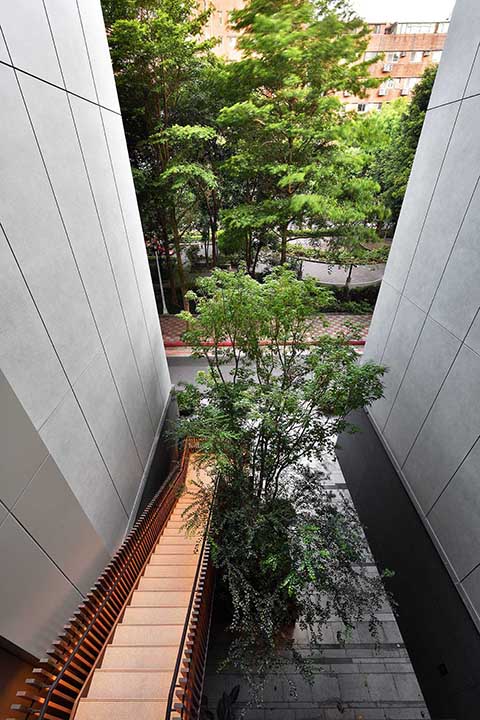
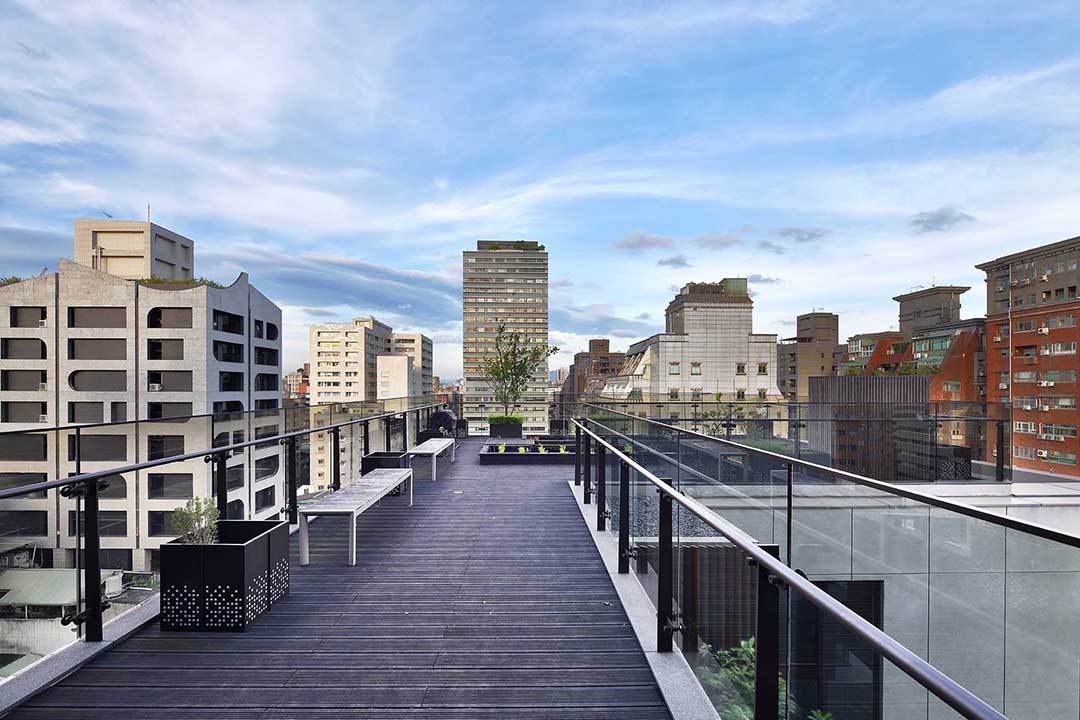
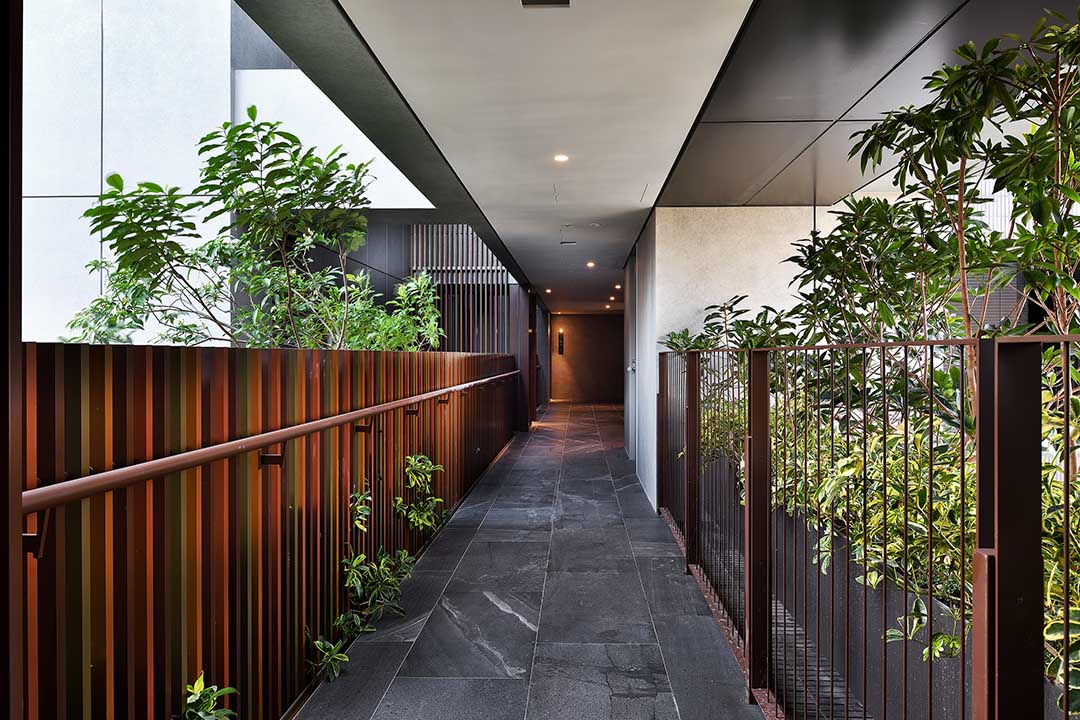
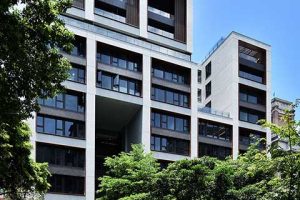
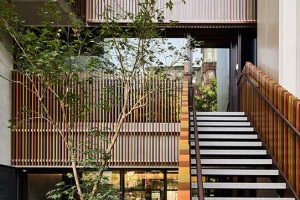
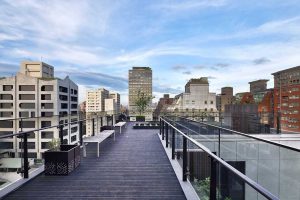
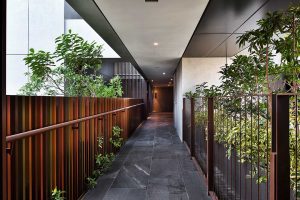
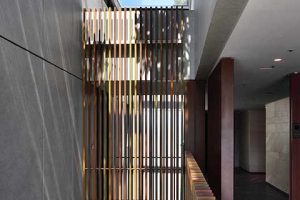
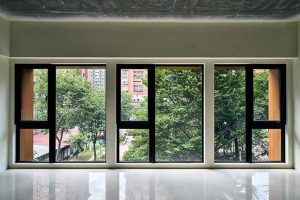
臺北市中山北路二段老牌國賓飯店後方街廓,南向面對中安公園,週遭巷弄多為二至五層樓六〇、七〇年代商住混合使用的公寓,面對這樣的環境涵構,第一個想像的是新的建築如何能融入如此親密的都市紋理中,及如何塑造一條回家的路徑,一條可以延續著週邊四米巷弄感覺的路徑,像是出了電梯還可以看到前方的公園和聞得到鄰居的炒菜味;彷若是一條飄浮在空中的巷弄。

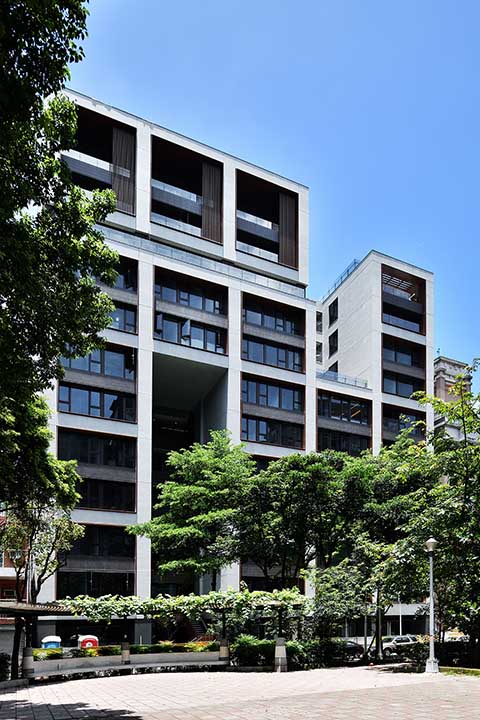
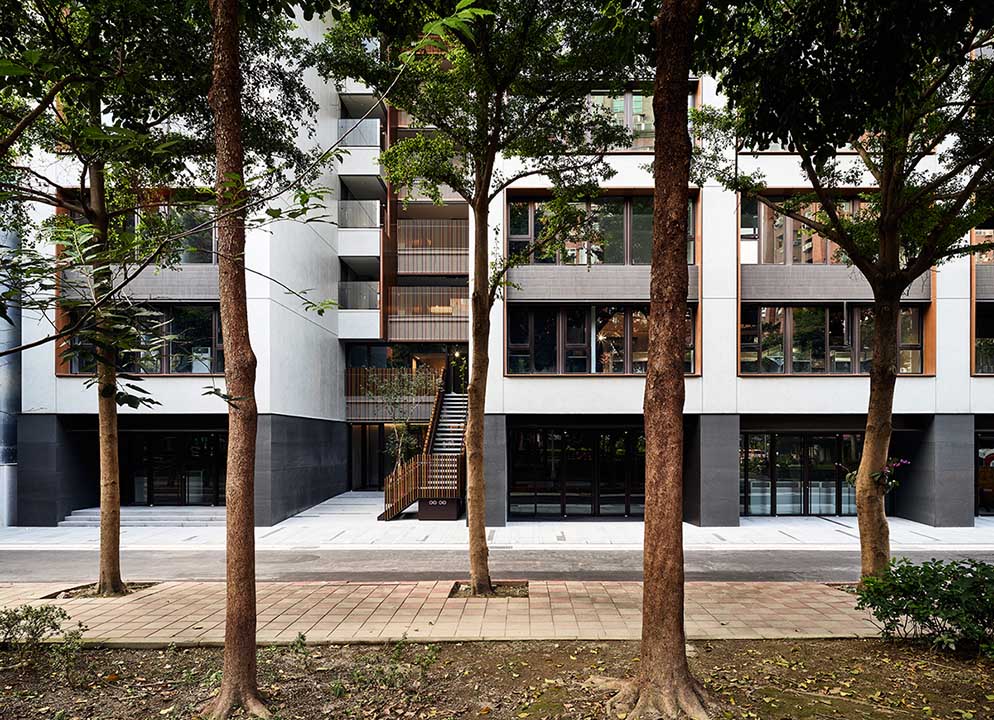
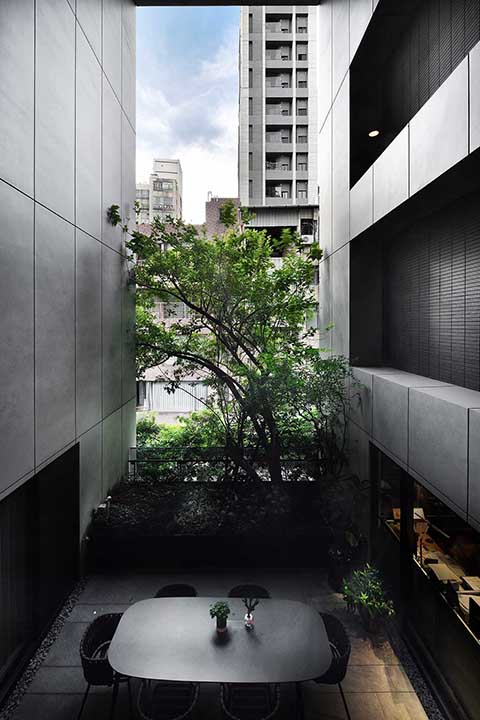
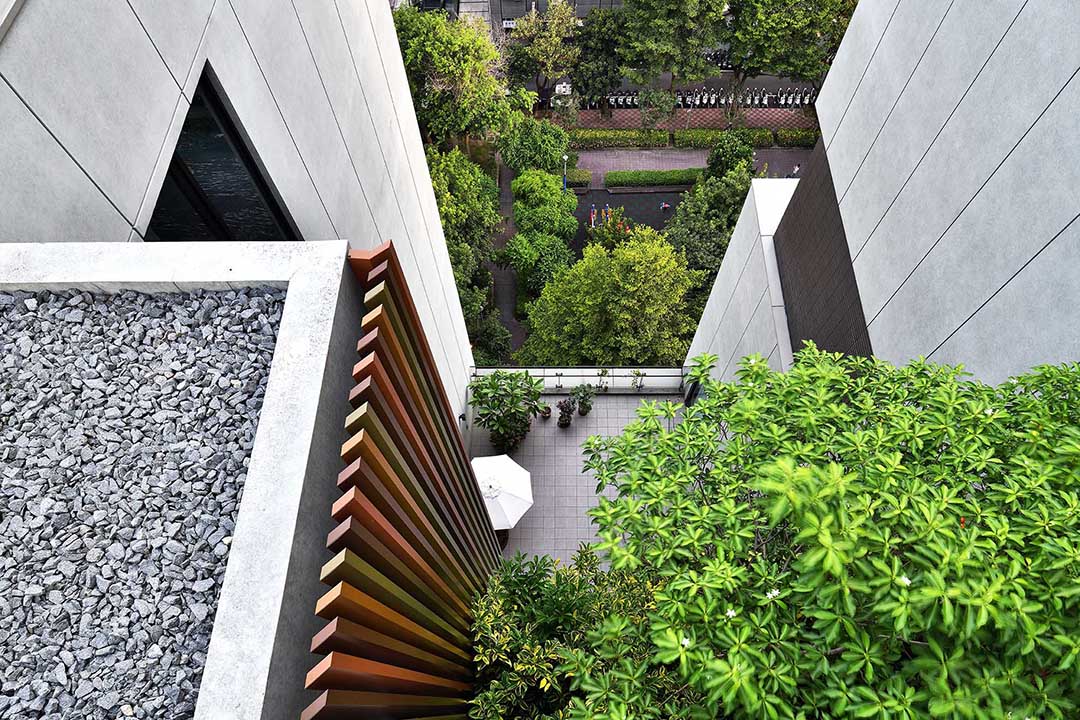
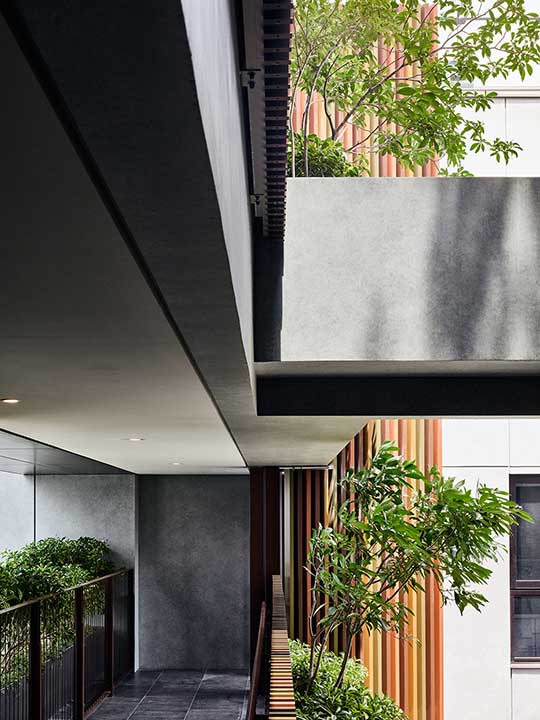
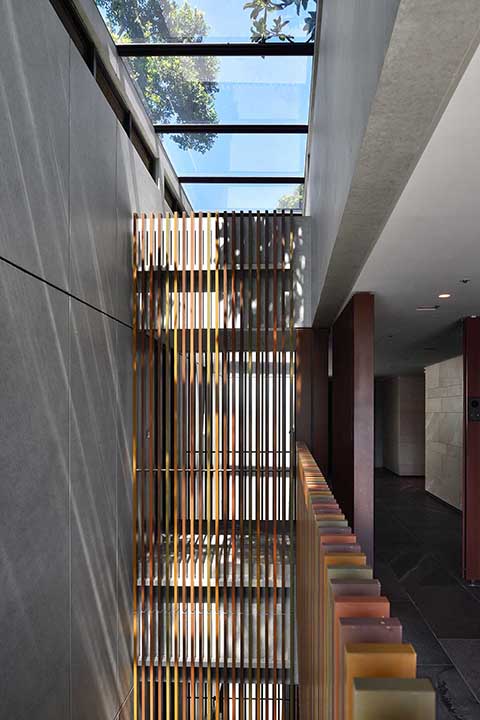
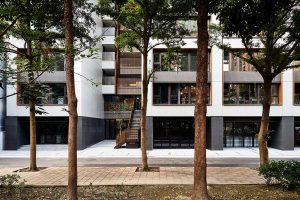
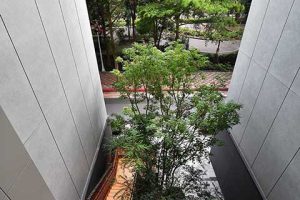
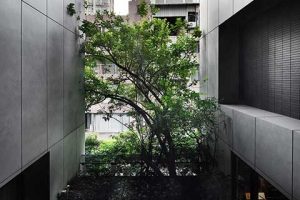
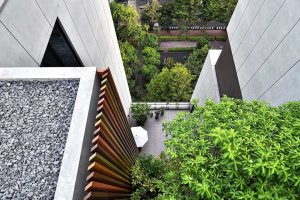
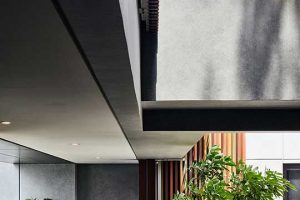
因此在整體的配置上很刻意地創造了兩個面向的主入口,串聯65巷及中安公園,並垂直化地與回家的路徑做視覺上和空間上的聯接。在量體上透過兩向的大開口讓虛空間貫穿建築物與城市連接,並在量體的上方打開一個向上的中庭花園及天窗來讓自然的天光可以進到建築物的內部,除取得自然通風的效果外,更希望創造一個多孔隙的空間環境。在平面上以六百三十公分左右做為基本的空間單元模距,在立面上的分割亦同,利用單元模距重新整理建築之量體組成。

「貴象」希望突破原有房地產制式侷促的公共空間邏輯,企圖利用「回家路徑」重新演繹,讓建築與城市環境對話、融入,成為城市的一部份!

***

In a place steeped in the atmosphere of old Taipei, with a human scale and close-knit neighborhood familiarity, how can a new building harmonize with its surroundings?

Located behind the longstanding Ambassador Hotel on Section 2, Zhongshan North Road, the Great Shine faces Zhongan Park to the south and is surrounded mainly by two- to five-story mixed-use apartments from the 1960s and 1970s. Confronted with this context, our first question was how a new building could blend into such an intimate urban fabric, and how to create a path that feels like coming home—a path that extends the character and rhythm of the surrounding four-meter-wide alleys. Stepping out of the elevator, one could see the park ahead and even catch the scents of neighbors’ cooking. It is like an alley afloat.

To put our notions into practice, we intentionally designed a single main entrance with two faces, opening toward both Lane 65 and Zhongan Park. This way, the open void extending from the entrance cuts across the path home, creating both visual and spatial continuity, thereby tying the building to the urban fabric. Other than this approach, we also open up an upward atrium garden and skylight to invite the natural daylight into the interior, providing ventilation and creating a porous spatial environment. On the plan, a module of approximately 630cm serves as the basic spatial unit, which is also applied to the façade divisions, reorganizing the building mass through a consistent modular rhythm.

The Great Shine seeks to break away from the rigid, formulaic logic of conventional real-estate public spaces. By reinterpreting the “path home,” it invites the building to converse with the city, to merge into its fabric, and to become one with the urban life.